
Tuesday, September 18, 2012


Monday, September 17, 2012
Quilt National -- mixed feelings
In management training courses they tell you to always preface your criticisms or suggestions with some praise. "Jack, you designed a really beautiful building! Too bad the roof leaks and you forgot to put in electrical outlets...."
So here's my praise. I think Quilt National is the best venue in the world for non-traditional quilters who want their work to be seen more as art than as decor. The show is beautifully presented, the catalog is first-rate, the two-year tour allows the work to be seen in many other cities, it attracts the best quilters in the world.
And I think it's good that QN has gone to online entries this year. It hasn't been all that long since they switched from slides to digital, and now they've bypassed the CD, which was cumbersome at both ends of the entry process. I remember how long it took for many art venues to abandon slides a decade ago, and the creative excuses they put forth for clinging to obsolete technology. At least the shows that I typically enter, including QN, have been a lot more reasonable about going online.
But.
(You knew that was coming.)
I got a bit crabby after going through my online entry process for Quilt National last week. Fortunately I had been warned by some of my fellow artists that the process was lengthy, so I prepared myself with a fresh cup of tea and a whole morning with no other commitments. But even in that frame of mind I found the task to be unnecessarily arduous.
 a whole summer's work
I've used several different online entry systems for various shows, and encountered some glitches, but they seem to be improving. Obviously there's more than one choice out there for a show to choose from. So I'm not as tolerant of the glitches as I was a few years ago when people were inventing these systems on the fly.
The directions were clear about how the images were to be sized and named, so that was fine. Having done online entries before I know to have all the images in a single folder, to have the dimensions and correct titles written down, to have my credit card at hand.
So I proceeded to "click here to register and upload." Typed in my name and other info, got the message that I had been successful in registering, and attempted to move on and upload. No, I had to wait for an email confirmation. That came several minutes later, after I checked my junk mail folder (no, not there) and asked for the system to resend. I clicked on the link in the email "to activate your account." That took me back to the site, but with a "sorry, you lose" message that my account still hadn't been activated. After two or three times I realized I should try copying and pasting the link instead of just clicking, so finally I was in.
I didn't take notes, but as I recall, the first screen called immediately for me to upload the images for my first quilt. That worked pretty quickly. The next screen asked me to "label the image" of the full view, which meant to type in the title, month and year of completion, dimensions, sale price and insurance value (65% of the sale price). OK, I zipped through it pretty quickly. Now to label the detail shot -- which meant to type in the title, month and year of completion, dimensions, etc. etc. -- everything I had just typed in for the full view!
Then I had to provide a bunch of information on the work itself -- a series of multiple choice questions to describe the materials, processes and nature of the quilt. Then more questions to see if I would be eligible for various awards: the surface design award, if I had dyed, painted or otherwise created the image on my quilt; a special award if I lived in Ohio or one of its bordering states; a young artist award, if I were under 30. Then whether I had entered QN before, and whether the quilt had been out in public, in the flesh or on the web.
One of the questions asked me to "Describe the embellishment on the face of the quilt: paint, machine or hand enbroidery, dye, beads, found objects or other." Since I had no embellishment, I left the question blank. But the computer caught me and made me answer. I settled on "other" and wrote in "none." (Thought maybe they could have provided "none" as a possible answer -- aren't there lots of quilts out there with no embellishment? -- but that would have been too easy.)
This didn't take all that long to slog through, so I was soon at the last step: the credit card page.
QN has a new pricing policy this year: instead of $35 for up to three quilts, it costs $35 to enter one quilt, and $5 each if you want to enter one or two more. But the three charges had to be rung up separately. After I finished all the paperwork for Quilt #1, I had to pay $35. I typed in all my credit card info: number, address, verification code, expiration date, you know the drill. And I was done!
With Quilt #1, that is. Now I returned to the top of the page and went through the same routine with Quilt #2. Typed in the dimensions, etc. of the quilt twice, once for the full view and once for the detail shot. Told them that I still live in one of the bordering states and I'm still not under 30. (Wonder how many people were under 30 when they started, not when they finished... ) Typed in my credit card number, verification code, expiration date, etc. to pay another $5.
Now I did the whole thing all over again for Quilt #3. I wish I had kept track of how many times I typed in my name, my address, my phone number. Several. At least the process was fairly clear, if vastly longer and more cumbersome than it had to be.
Whenever I encounter busy-work extravaganzas like this entry process, I wonder about how the decision was made to use that particular format. Did anybody sit down and pretend to be an entrant, typing in everything that was asked for? Did that person notice how many times she had to type in her name and address? Did she say "can we consolidate some of this information to make it easier for the people?" Did she say "it's been years since Amazon invented the shopping cart -- why can't we run through just one charge for whatever you owe?" And if not, why not?
Quilt National, being the 800-pound gorilla, can get away with this kind of red tape. I guess. But why would it want to?
So here's my praise. I think Quilt National is the best venue in the world for non-traditional quilters who want their work to be seen more as art than as decor. The show is beautifully presented, the catalog is first-rate, the two-year tour allows the work to be seen in many other cities, it attracts the best quilters in the world.
And I think it's good that QN has gone to online entries this year. It hasn't been all that long since they switched from slides to digital, and now they've bypassed the CD, which was cumbersome at both ends of the entry process. I remember how long it took for many art venues to abandon slides a decade ago, and the creative excuses they put forth for clinging to obsolete technology. At least the shows that I typically enter, including QN, have been a lot more reasonable about going online.
But.
(You knew that was coming.)
I got a bit crabby after going through my online entry process for Quilt National last week. Fortunately I had been warned by some of my fellow artists that the process was lengthy, so I prepared myself with a fresh cup of tea and a whole morning with no other commitments. But even in that frame of mind I found the task to be unnecessarily arduous.

I've used several different online entry systems for various shows, and encountered some glitches, but they seem to be improving. Obviously there's more than one choice out there for a show to choose from. So I'm not as tolerant of the glitches as I was a few years ago when people were inventing these systems on the fly.
The directions were clear about how the images were to be sized and named, so that was fine. Having done online entries before I know to have all the images in a single folder, to have the dimensions and correct titles written down, to have my credit card at hand.
So I proceeded to "click here to register and upload." Typed in my name and other info, got the message that I had been successful in registering, and attempted to move on and upload. No, I had to wait for an email confirmation. That came several minutes later, after I checked my junk mail folder (no, not there) and asked for the system to resend. I clicked on the link in the email "to activate your account." That took me back to the site, but with a "sorry, you lose" message that my account still hadn't been activated. After two or three times I realized I should try copying and pasting the link instead of just clicking, so finally I was in.
I didn't take notes, but as I recall, the first screen called immediately for me to upload the images for my first quilt. That worked pretty quickly. The next screen asked me to "label the image" of the full view, which meant to type in the title, month and year of completion, dimensions, sale price and insurance value (65% of the sale price). OK, I zipped through it pretty quickly. Now to label the detail shot -- which meant to type in the title, month and year of completion, dimensions, etc. etc. -- everything I had just typed in for the full view!
Then I had to provide a bunch of information on the work itself -- a series of multiple choice questions to describe the materials, processes and nature of the quilt. Then more questions to see if I would be eligible for various awards: the surface design award, if I had dyed, painted or otherwise created the image on my quilt; a special award if I lived in Ohio or one of its bordering states; a young artist award, if I were under 30. Then whether I had entered QN before, and whether the quilt had been out in public, in the flesh or on the web.
One of the questions asked me to "Describe the embellishment on the face of the quilt: paint, machine or hand enbroidery, dye, beads, found objects or other." Since I had no embellishment, I left the question blank. But the computer caught me and made me answer. I settled on "other" and wrote in "none." (Thought maybe they could have provided "none" as a possible answer -- aren't there lots of quilts out there with no embellishment? -- but that would have been too easy.)
This didn't take all that long to slog through, so I was soon at the last step: the credit card page.
QN has a new pricing policy this year: instead of $35 for up to three quilts, it costs $35 to enter one quilt, and $5 each if you want to enter one or two more. But the three charges had to be rung up separately. After I finished all the paperwork for Quilt #1, I had to pay $35. I typed in all my credit card info: number, address, verification code, expiration date, you know the drill. And I was done!
With Quilt #1, that is. Now I returned to the top of the page and went through the same routine with Quilt #2. Typed in the dimensions, etc. of the quilt twice, once for the full view and once for the detail shot. Told them that I still live in one of the bordering states and I'm still not under 30. (Wonder how many people were under 30 when they started, not when they finished... ) Typed in my credit card number, verification code, expiration date, etc. to pay another $5.
Now I did the whole thing all over again for Quilt #3. I wish I had kept track of how many times I typed in my name, my address, my phone number. Several. At least the process was fairly clear, if vastly longer and more cumbersome than it had to be.
Whenever I encounter busy-work extravaganzas like this entry process, I wonder about how the decision was made to use that particular format. Did anybody sit down and pretend to be an entrant, typing in everything that was asked for? Did that person notice how many times she had to type in her name and address? Did she say "can we consolidate some of this information to make it easier for the people?" Did she say "it's been years since Amazon invented the shopping cart -- why can't we run through just one charge for whatever you owe?" And if not, why not?
Quilt National, being the 800-pound gorilla, can get away with this kind of red tape. I guess. But why would it want to?
Sunday, September 16, 2012




Friday, September 14, 2012
More with sew-off squares
I've written before about my love of sew-off squares, those little bits of fabric that serve an important function in piecing and quilting, preventing loose thread ends from complicating your sewing machine process. Instead of cutting the threads when you get to the end of a seam, you sew onto the little square, then cut the thread between the work and the sew-off. Your needle never comes unthreaded, you avoid long thread ends around the edges of your work that might get caught in subsequent seams, and you use a lot less thread.
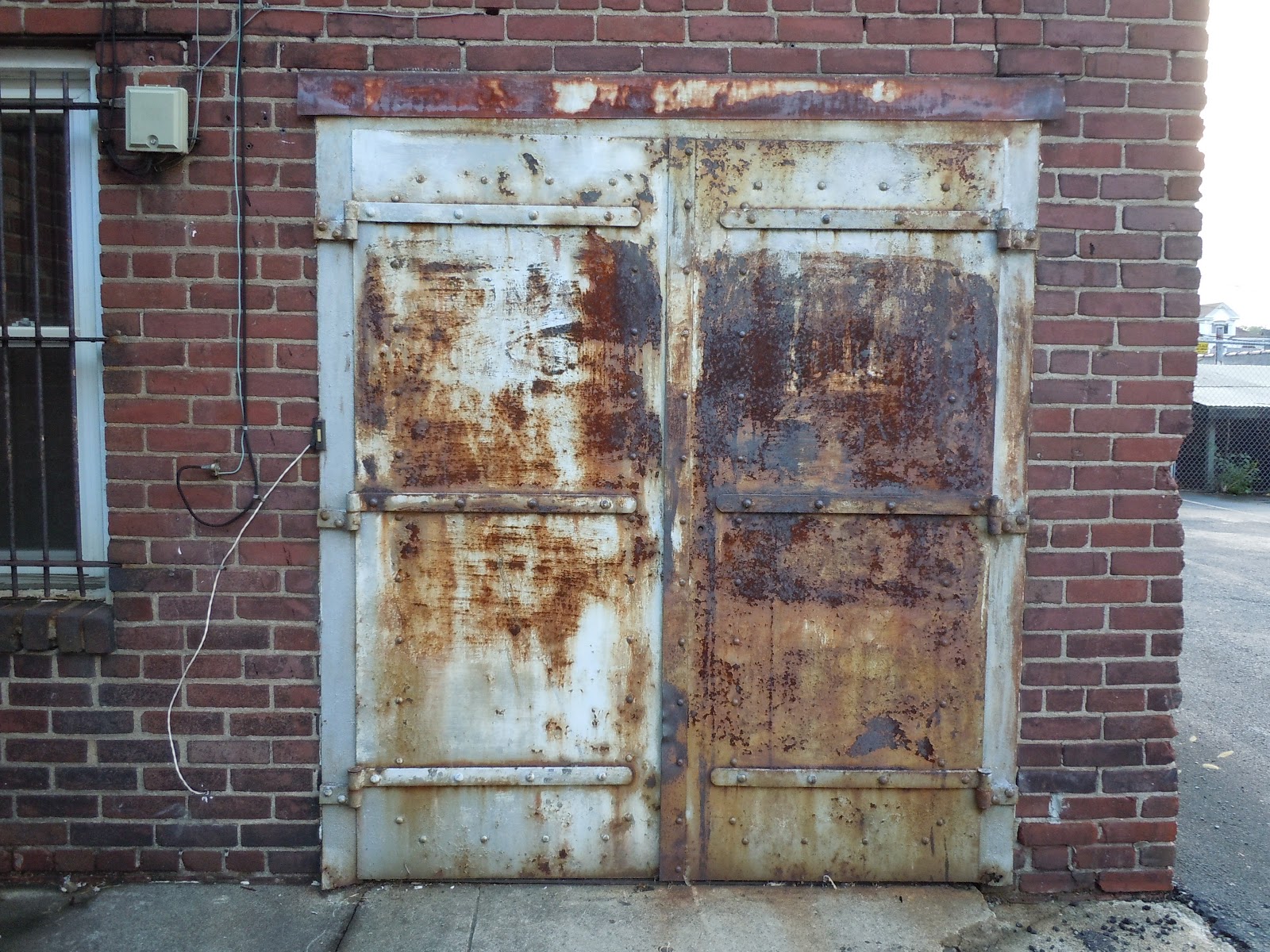
No sooner had I discovered the functional benefits of sew-off squares than I decided they could have artistic benefits as well. I like to make little designs on the squares, then collect thousands of them and sew them into large compositions. But I almost always have the squares separated by a threadwork grid. For some time I have been thinking that the squares would also look good if they were placed much closer together, almost covering the background.
I had a chance to experiment with this concept last week when I made a small stretched piece for a community art project. My local fiber and textile art group is making work to hang in our regional drug and alcohol rehab clinic, and I had signed up to do a piece. We each received an 11x14 stretched canvas, and had to perform some kind of textile art on it.
 I started with a piece of fabric dyed with black walnuts, a project that I worked on last fall. It was the perfect size to wrap around the canvas. Then I chose some sew-off squares out of my collection that seemed to share a character or sensibility.

They're all kind of rough -- not carefully composed, not evenly stitched. They seem to have been sewed together like mending or surgery rather than like embroidery. I thought that was a good metaphor for people in rehab, trying to put together the bits and pieces of a life that has been going through hard times.


 I know that in my own hard times I have found comfort in sewing together a bazillion tiny bits of fabric, proxies for the messy bits of life that had gotten out of control. I hoped that the people at the clinic might find a similar comfort in looking at these patched-together squares.
I machine-stitched the squares to the base fabric first, then stapled the fabric to the frame for a neat finish.

To see what other fiber artists have been up to this week, click here to visit Nina-Marie's Off the Wall Friday blog.
No sooner had I discovered the functional benefits of sew-off squares than I decided they could have artistic benefits as well. I like to make little designs on the squares, then collect thousands of them and sew them into large compositions. But I almost always have the squares separated by a threadwork grid. For some time I have been thinking that the squares would also look good if they were placed much closer together, almost covering the background.
I had a chance to experiment with this concept last week when I made a small stretched piece for a community art project. My local fiber and textile art group is making work to hang in our regional drug and alcohol rehab clinic, and I had signed up to do a piece. We each received an 11x14 stretched canvas, and had to perform some kind of textile art on it.


They're all kind of rough -- not carefully composed, not evenly stitched. They seem to have been sewed together like mending or surgery rather than like embroidery. I thought that was a good metaphor for people in rehab, trying to put together the bits and pieces of a life that has been going through hard times.


I machine-stitched the squares to the base fabric first, then stapled the fabric to the frame for a neat finish.

To see what other fiber artists have been up to this week, click here to visit Nina-Marie's Off the Wall Friday blog.
Thursday, September 13, 2012
Embroidery update 1 -- running stitch
I've been asked to give a plug to In Stitches, the e-magazine published by Quilting Arts that featured an article about my daily embroidery project. Since I jumped the gun and ran the post last week, I'll occupy my appointed day on the blog hop with an update on the project itself. Meanwhile, do check out the magazine!
I'm still working on running stitch as the latest stop in my travels through the embroidery reportoire, trying to make it my own rather than just lifting the technique from a book or from somebody else's work. I wrote earlier about the gorgeous running stitch technique of Julia Caprara, and I've kept up with it since the post. But in the small confines of a 4-inch square there's not much I can do to develop a personal twist. The doodles keep turning out faux Julia, but I'm still working on it.
Now I'm trying to do other things with running stitch. Here are a couple of spirals, shamefully lifted from -- no, I mean inspired by -- a recent work by Christine Mauersberger.

 And here are some plain lines.


I'm still working on running stitch as the latest stop in my travels through the embroidery reportoire, trying to make it my own rather than just lifting the technique from a book or from somebody else's work. I wrote earlier about the gorgeous running stitch technique of Julia Caprara, and I've kept up with it since the post. But in the small confines of a 4-inch square there's not much I can do to develop a personal twist. The doodles keep turning out faux Julia, but I'm still working on it.
Now I'm trying to do other things with running stitch. Here are a couple of spirals, shamefully lifted from -- no, I mean inspired by -- a recent work by Christine Mauersberger.


Wednesday, September 12, 2012

Subscribe to:
Posts (Atom)